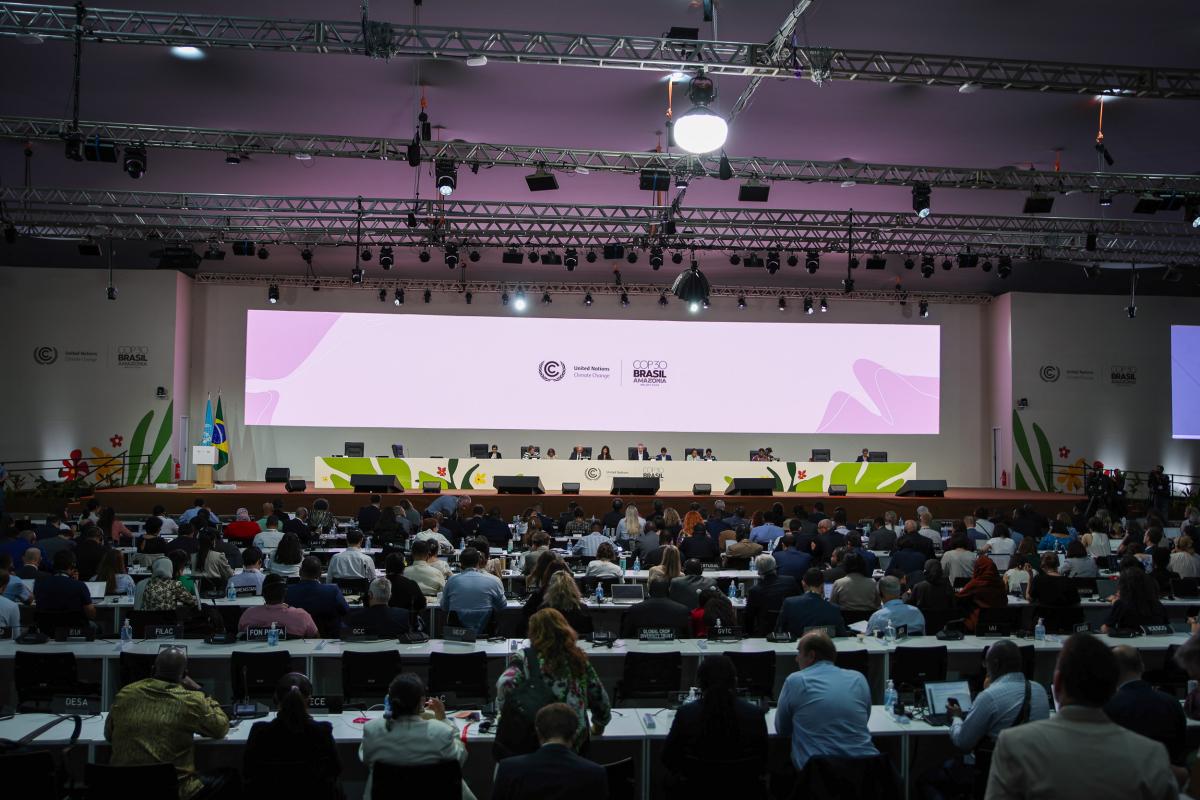
COP30, held in Belém, Brazil this year, stood out for many reasons. It marked the 10-year anniversary of the Paris Climate Agreement, a watershed moment that committed nations to climate action through a steady, sustained, and encouraging mechanism. Taking place in the “lungs of the Earth” instilled a sense of urgency among participants, further heightened by vibrant demonstrations calling for stronger action on climate change. At the heart of the conference was the focus on the global ethical stocktake, which addresses the moral and social dimensions of climate change; consequently, special attention was devoted to the issue of a just transition. The Belém Action Mechanism was launched to drive just transition efforts and catalyze climate action.
Key outcomes of COP30 included the adoption of the “Mutirão” decision to mobilize global action, the completion of the third review of the Warsaw International Mechanism for Loss and Damage (WIM), and the launch of new initiatives such as the Tropical Forest Forever Facility. Discussions also focused heavily on climate finance, with a new two-year work program established. Meanwhile, a divide emerged over the fossil fuel phase-out, and other events addressed themes such as food systems, youth leadership, and the role of small and medium-sized enterprises (SMEs).
Methane was another major focus of COP30, highlighted as a super-pollutant threatening global stability. The Global Methane Pledge Ministerial included a high-level meeting of the 159 signatory countries, which have committed to collectively reduce methane emissions by at least 30% by 2030 (from 2020 levels). The first-ever Global Methane Status Report, launched at COP30, revealed that current national plans would reduce emissions by only 8% by 2030—far short of the 30% target.
Overall, COP30 was marked by an action-oriented approach emphasizing measurable indicators for tracking progress. It was also notable for its strong stance on just transition. However, the conference once again fell short of delivering a decisive verdict on fossil fuels. As a climate-vulnerable yet ambitious developing country, Bangladesh prioritized the issues of climate finance, loss and damage funding, adaptation and resilience strategies, renewable energy and technology-transfer support, and recognition of climate-induced migration as vital areas of engagement.