
- Introduction
Industrial chemical pollution in Bangladesh’s textile-producing communities has emerged as a critical environmental and public health concern. Despite regulatory frameworks, weak enforcement and bypassing of effluent treatment plants (ETPs) have allowed persistent pollutants including PFAS, phthalates, carcinogenic dyes, and heavy metals to contaminate water, soil, and air. Vulnerable groups such as women, children, and the elderly face disproportionate health risks.
This project proposes a multi-actor partnership that integrates workers, communities, civil society organizations, and regulators into a participatory monitoring system. By embedding due diligence into grassroots-level monitoring, the initiative seeks to bridge the gap between policy commitments and lived realities in textile hubs like Ashulia.
Although environmental regulations exist, weak enforcement has left residents vulnerable to long-term chemical exposure. In response, the Environment and Social Development Organization (ESDO), in collaboration with FEMNET e.V., BILS, AGROHO Society, and other partners, has launched a multi-actor initiative to strengthen due diligence implementation in Bangladesh’s textile sector. The project applies Community-Based Monitoring (CBM) and Worker-Based Monitoring (WBM) approaches to ensure environmental accountability, labor rights, and corporate responsibility.
- Background
Bangladesh’s textile sector is a cornerstone of its economy, yet it is also a major driver of chemical pollution. Community-based assessments have revealed alarming contamination levels PFAS concentrations hundreds of times above international safety limits, SCCPs exceeding wastewater thresholds, and lead in soil surpassing national standards. These pollutants contribute to neurological, dermatological, respiratory, and gastrointestinal health impacts.
While Bangladesh has ratified international conventions (Basel, Stockholm, Minamata) and enacted environmental rules, enforcement remains inconsistent. Community data is often excluded from national reporting, leaving affected populations invisible in policy discourse.
Ashulia, home to over 1,100 textile factories, is emblematic of the challenges facing Bangladesh’s garment sector. Despite the presence of wastewater treatment plants, many factories bypass or neglect them, discharging hazardous effluents directly into canals and soil. Community assessments have revealed alarming levels of lead, arsenic, cadmium, chromium, and PFAS in wastewater and soil, alongside visible deterioration of housing structures caused by prolonged chemical exposure.
Health impacts documented include skin diseases, respiratory illnesses, gastrointestinal disorders, cardiovascular conditions, malnutrition, and adverse effects on children and elderly residents. These findings underscore the urgent need for participatory monitoring and stronger due diligence enforcement.
- Objectives
The project aims to:
- Establish worker- and community-based monitoring networks to document chemical pollution and health impacts.
- Strengthen due diligence implementation by integrating grassroots data into compliance and reporting mechanisms.
- Foster multi-actor collaboration among NGOs, trade unions, local communities, regulators, and international buyers.
- Promote preventive action by identifying pollution drivers (ETP bypassing, untreated wastewater discharge, blocked drainage) and advocating for corrective measures.
- Partnership Framework
- Workers & Communities: Act as frontline monitors, documenting pollution incidents and health symptoms.
- Civil Society Organizations (CSOs): Provide technical training, advocacy, and awareness campaigns.
- Regulators (DoE, MoEF, MoA): Ensure enforcement of environmental rules and integrate community data into national reporting.
- International Buyers & Brands: Commit to supply chain due diligence, transparency, and remediation support.
- Academic & Research Institutions: Conduct independent assessments and validate community findings.
- Major Activities
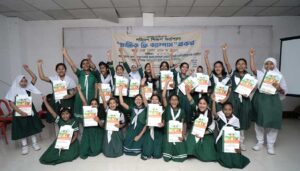
- Training Community Monitors: ESDO organized formal and informal sessions in Kathgora and Ghosbag to enhance the use of CBM toolkits, enabling residents to record pollution incidents, health symptoms, and photographic evidence.
- Field Visits & Data Collection: Between January and April 2025, 15 field visits were conducted to gather health and environmental data. Observations revealed stagnant polluted water, foul odors, mosquito infestations, and worsening respiratory and skin conditions.
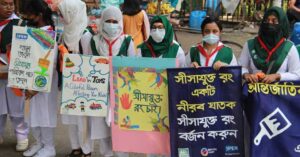
- Community Workshops: Held in April 2025, these workshops presented preliminary findings, facilitated community reflection, and generated recommendations for action.
- Medical Campaigns: In partnership with AGROHO Society, free medical camps were organized, providing consultations and medicines to garment workers, women, children, and elderly residents. Plans for safe drinking water facilities and mobile healthcare services are underway.
- Sampling & Laboratory Analysis: Wastewater and soil samples collected with Hohenstein Bangladesh confirmed high concentrations of heavy metals and PFAS. Next-phase investigations will include hair sampling to assess bioaccumulation in humans.
- Expected Outcomes
- Improved transparency and accountability in the textile sector.
- Empowered communities with the knowledge and tools to safeguard health and environment.
- Integration of grassroots data into national and international due diligence frameworks.
- Reduction in chemical pollution through preventive and corrective actions.
- Strengthened trust between workers, communities, regulators, and buyers.
- Conclusion
The survival of textile communities depends on how pollution is addressed at both local and global levels. By embedding due diligence into community-based monitoring, this project ensures that the voices of workers and residents are not sidelined but instead drive meaningful change. A multi-actor partnership is essential to protect Bangladesh’s environment, safeguard public health, and uphold the integrity of its textile sector.