Communities living near textile and industrial facilities are often directly exposed to environmental pollution, including contaminated water, air pollution, and chemical-related health risks. Equipping these communities with the knowledge and tools to identify, document, and report environmental concerns is essential to strengthening environmental accountability and protecting their rights.
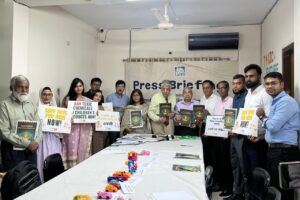
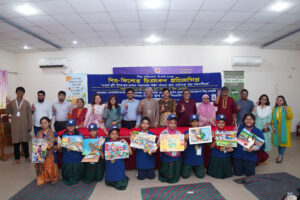
On 15 November 2026, the Environment and Social Development Organization (ESDO), in collaboration with FEMNET and HEJSupport, organized a Capacity Building Workshop on Community-Based Monitoring (CBM) in Ashulia under the project “Multi-Actor Partnership for Improved Human Rights and Environmental Due Diligence in the Textile Sector through Worker- and Community-Based Monitoring in Bangladesh.”
The workshop brought together community members, local influential people, and teachers, along with representatives from local government institutions, including Ashulia Union Parishad and Yearpur Union Parishad, as well as the Department of Environment (DoE) and the Department of Public Health Engineering (DPHE). A note taker from the local LGED office also attended, representing the office. Together, they worked to strengthen community engagement in environmental monitoring and accountability.
Through sessions using the Environmental and Health Monitoring Toolkit, participants learned to identify pollution and health risks, document environmental concerns, collect evidence, understand relevant environmental laws, and report issues to the concerned authorities.
The workshop emphasized that communities are not just affected by pollution; they are also key actors in monitoring their environment, generating local evidence, and demanding meaningful action.
Together, we can build healthier communities and a more responsible textile industry.